Piazza Etiquette: 10 Do's and Don'ts for Sitting, Sipping, and People-Watching
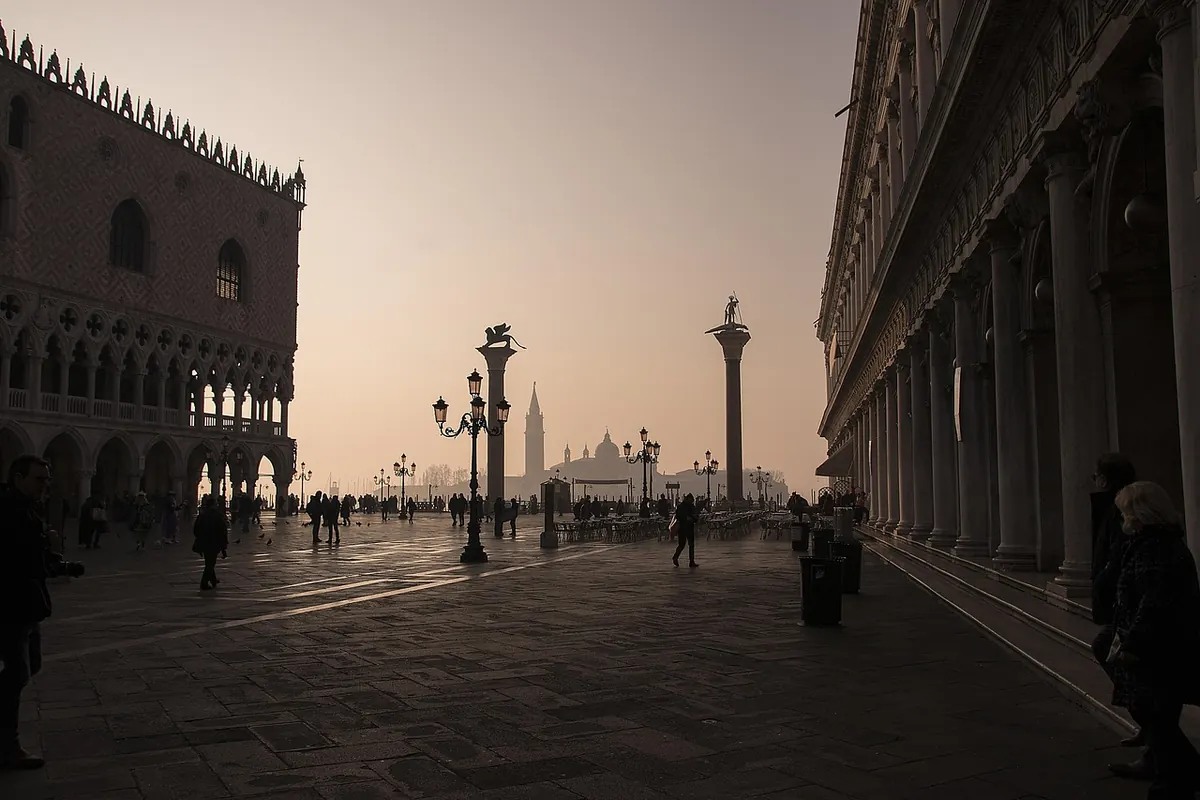
You can read a piazza in about three minutes. Watch where people stand: in most squares there is a stretch of low wall that works as a standing bar for men in their sixties, a set of steps that belongs to teenagers after school, and a cluster of café tables that are, in practice, private property. Drop into one of those places without looking first and nobody will scold you. This is Italy, not a reading room. But you will feel the small chill of being slightly in the way, and you may not know why.
The rules are unwritten, mostly gentle, and they reward anyone who bothers to notice them. What follows is the practical version: how to sit, what to order, when to move, and how to watch a square for an hour without becoming part of the show.
Read the Square Before You Sit
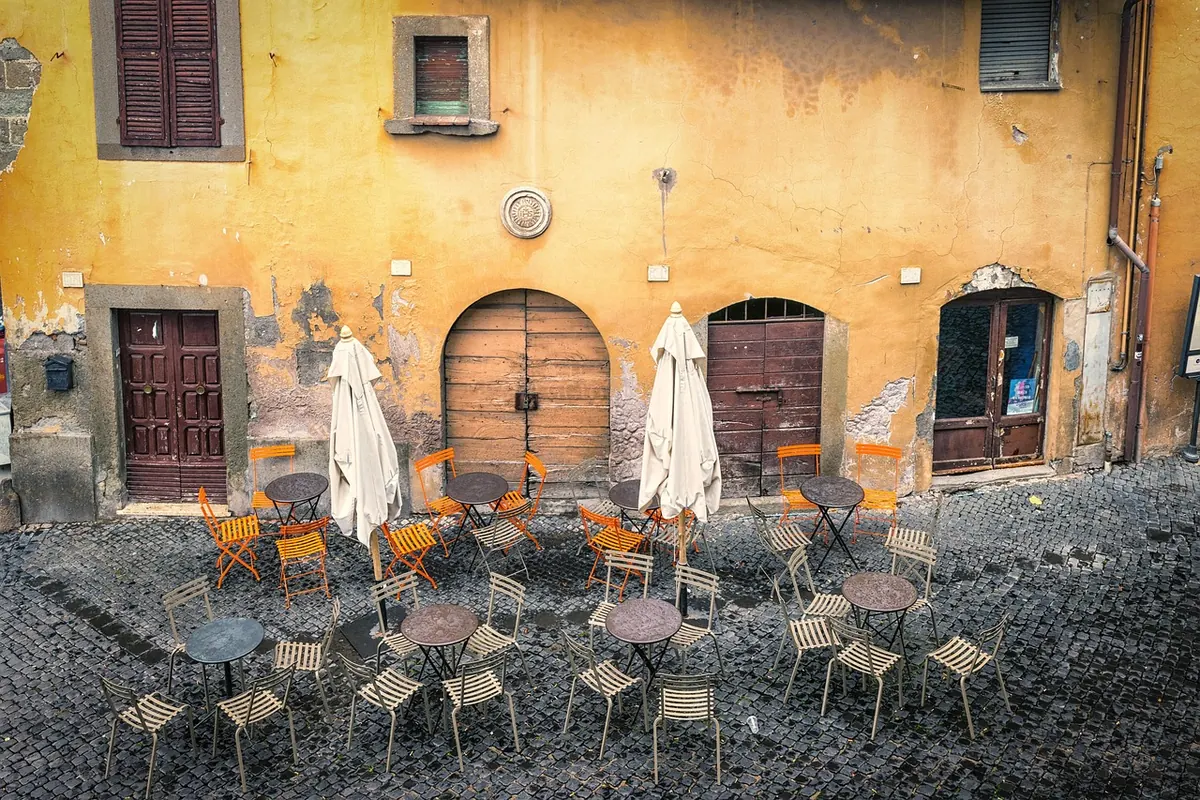
An Italian piazza is rarely one continuous public space. It is three or four different rooms sharing the same floor. The steps, the benches and the rim of the fountain are genuinely public. The café terrace is a licensed business that happens to be outdoors, and the waiter weaving between tables is not a park attendant. Church steps and monument bases are a third category: open to the public, but in use as an entrance rather than a seat.
Timing decides which is which. In a small town, the steps of the parish church serve as a bench for half the population; on a Sunday morning during Mass, they are a doorway, and sitting across them means sitting in the way of people arriving in their good coats. Sit at noon on a Tuesday and nobody will mind at all.
The other thing to read is the sun. Locals choose their spot by shade, not by view. If you take the only seat in the shadow of the bell tower at three in the afternoon in July, you have taken the best seat in the square from someone who has been using it since 1994. They will not say anything. Take the hint anyway.
Ten Small Courtesies
None of these are laws. All of them are noticed.
- Do greet first. A “buongiorno” to the barista, or to the person at the far end of a shared bench, costs two syllables and buys considerable latitude.
- Do ask before you share. A gesture at the empty half of a bench, plus “posso?”, settles it in a second.
- Don’t move the furniture. Chairs on a terrace are counted, positioned and licensed; dragging one into a sunnier spot is not a neutral act.
- Do order something at every table you occupy. A table is a commercial arrangement, not a public bench. A bottle of water counts. Sitting down to rest with nothing in front of you does not.
- Don’t treat the fountain or a monument base as a picnic table or a footbath. The small drinking fountains are for filling bottles, not for washing plates.
- Do keep your voice at the level of the square. Italians are not quiet people, and a piazza in full flow is a loud place; the standard is matching it, not rising above it.
- Don’t feed the pigeons or the stray cats. It draws birds onto other people’s tables, and in several cities it is expressly discouraged or prohibited.
- Do tip by rounding up. Leaving loose change or letting the barista keep the remainder is normal; a percentage calculation at the counter is not expected.
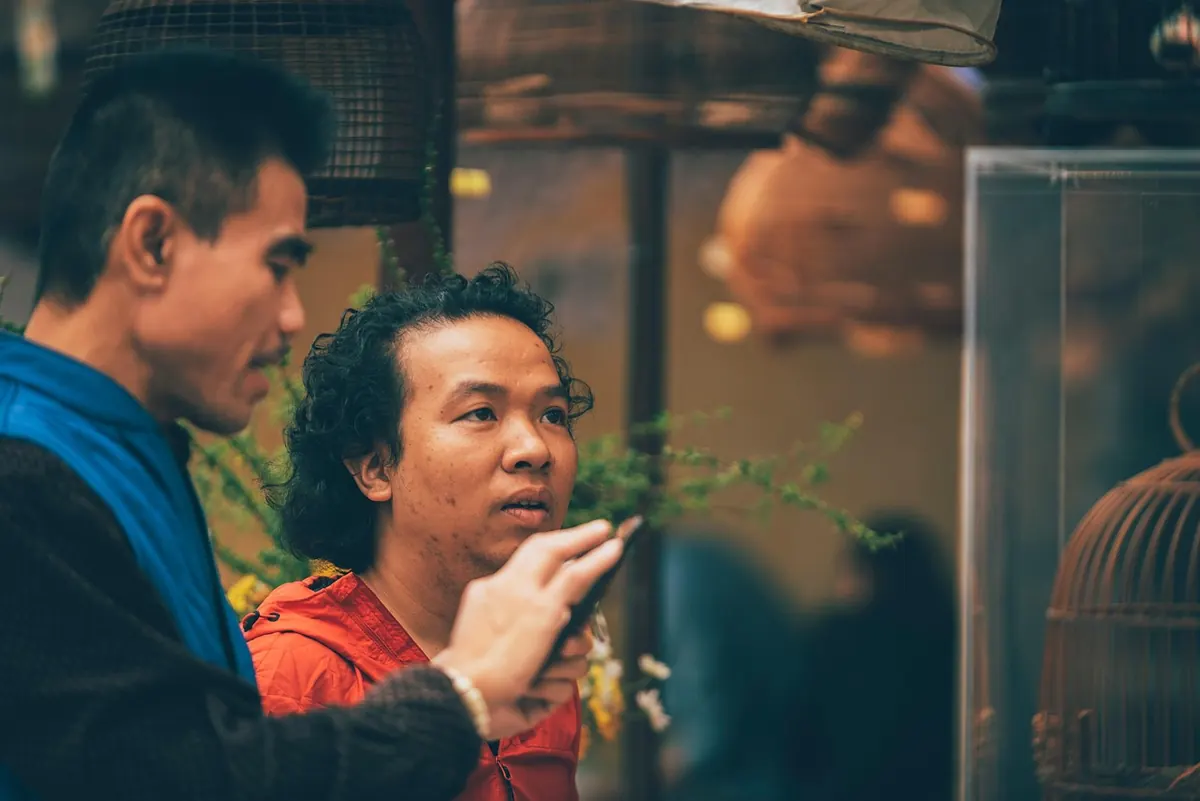
- Don’t photograph strangers’ faces from a metre away. A wide shot of the square is fine. A close portrait wants a question and a nod.
- Do locate the toilet before your second spritz. In a bar, use of the bathroom generally comes with being a customer — order the coffee first and the question answers itself.
The Standing Coffee and the Sitting Coffee
This is the single most useful thing to understand about an Italian square: the price of a coffee depends on whether your body is standing or seated. At the counter you pay the bar price; at a table you pay for the table, the waiter and the view. Both are fair. Confusing the two is what causes friction.
How to order without fuss
Walk in, look at the till. In many small bars you pay first at the cassa, then hand the receipt to whoever is behind the machine. In others you order first and pay at the end. Watch the person ahead of you for three seconds and you will know which one this is; when in doubt, ask “al banco?” with a tilt of the head towards the counter.
“Un caffè, per favore” gets you an espresso. If you want it long or watery, ask for a caffè lungo or an americano — otherwise you will be served a small, serious mouthful and looked at with mild pity.
If you sit, sit with intent. A table in a busy bar at eight in the morning is a place to drink a coffee, read two pages and leave. Ordering a single espresso and opening a laptop for two hours in that slot is not a courtesy problem so much as a business problem, and the waiter will solve it by hovering. In the quiet hours after lunch, nobody will mind at all. And a cappuccino after a big lunch will not get you thrown out, though a barista may smile — milk coffee is generally a morning habit here.
Eating, Drinking, and the Little Signs
Walking with a gelato is a civic pleasure and entirely normal. Setting out a full picnic on the steps of a church, or eating a slice of pizza while sitting on the base of a statue, is much less so. Several Italian cities have introduced local rules about lingering with food on monuments and church steps, and the signs explaining them tend to be small, laminated and attached at knee height. Read them. If an officer in uniform points at one, the correct response is to move and apologise, not to negotiate.
Anything in a glass on a café terrace is fine; a bottle of wine and a bag of crisps on a public bench at four in the afternoon will draw looks, mostly because it looks like a different kind of afternoon than the one everyone else is having. Keep the picnic for a park bench with grass around it.
People-Watching Without Becoming the Show
The piazza exists to be looked at, and in the evening the whole point of the passeggiata is to see and be seen. Looking is not rude. Staring is. The difference is duration and angle: a glance that moves on, rather than a fixed gaze held while the other person works out whether to be flattered or annoyed.
Practical adjustments help. Sit at an angle to the flow rather than straight on, so your attention is not aimed like a spotlight. Bring something to do — a newspaper, a book, a notebook — because a person with a page in front of them is a person at rest, while a person with nothing but eyes is a person on duty. Keep phone calls short and off speaker; a square carries sound in ways that surprise visitors. And resist the urge to comment on the people nearby in English. You are almost certainly standing next to someone who understands you, and the man in the linen jacket may well be the reason the square looks the way it does.
Timing: Morning, Aperitivo, Evening
The same square has three different personalities in a day, and behaving well is partly a matter of arriving in the right one.
- Early morning: the bar is a pit stop. Coffee standing, a pastry, a quick exchange, out. Tables are for the retired and the unhurried.
- Early afternoon: the square empties out. This is the best hour to sit, read, write postcards and take photographs without anyone in the frame.
- Around six to eight: aperitivo. Tables fill quickly; if you take one, order a drink and expect to stay an hour at most. A second round buys you another hour.
- Evening: the passeggiata. Walk; don’t park yourself in the middle of the current with a group of six. If you want to sit, take a table at the edge, not the bench everyone is threading past.
- Late: the square changes hands, usually to a younger crowd. If that is not your evening, a corner table beats the central bench.
Before You Sit: A Short Checklist
Four questions, ten seconds, no embarrassment later. Whose space is this — public bench, café terrace, or a doorway in use? Have I ordered something if there is a table in front of me? Is my voice at the level of the square, or over it? And is anyone waiting for this seat?
Get those right and the piazza does the rest. Sit for an hour in a good square and you will see three arguments, two reconciliations, one dog walking itself and a waiter carrying four coffees as if they were a single object. That is the show, and it is free — provided you pay for your coffee in the correct manner, and know which side of the counter you are standing on.
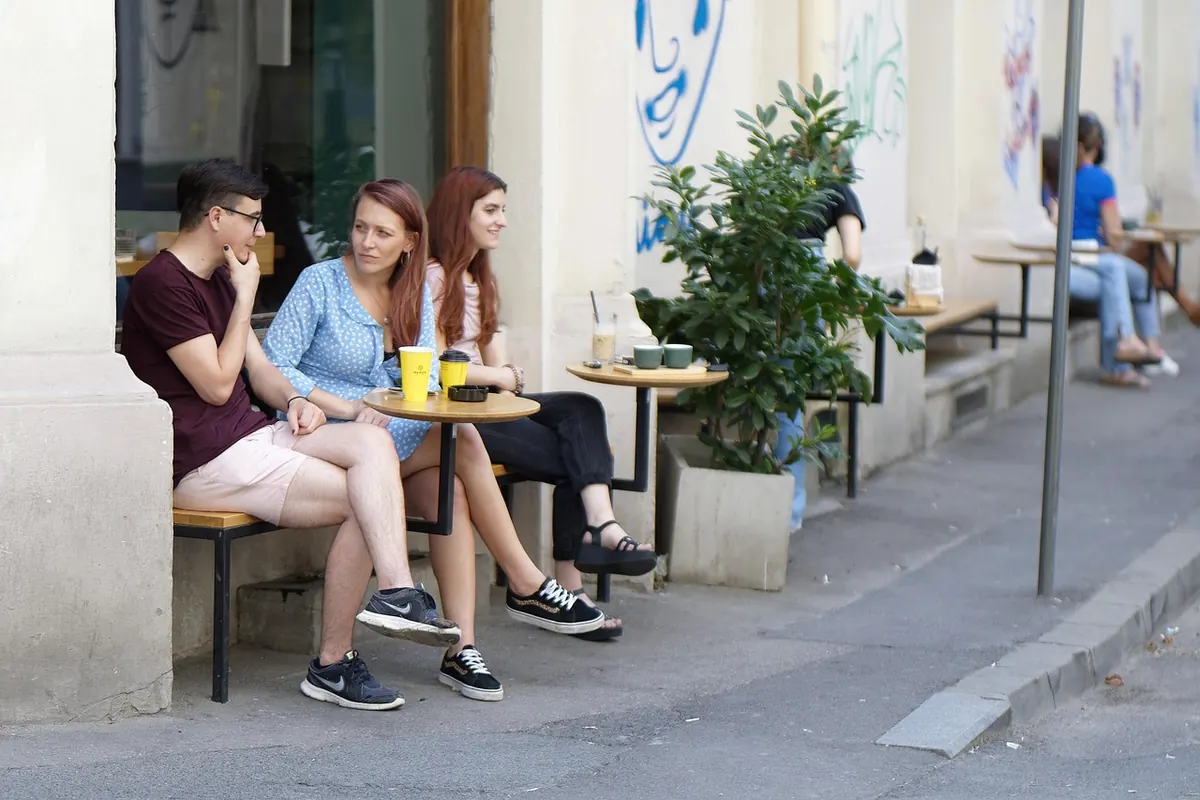
Photo: Surprising_Media / Pixabay
You Might Also Like
A hour-by-hour guide to the Italian piazza, from the sweepers at dawn and the commuter crush to the gelato queue, the dinner tables and the last lingering customers.
A practical guide to opening conversations in an Italian piazza — the timing, the first sentence, the listening habits, and the graceful exit that turn a passer-by into a welcome presence.