How to Read an Italian Piazza: A Beginner's Guide to Layout, Landmarks, and Daily Rhythms
A piazza is not a monument to look at. It is a room the city uses — with walls, a floor, a ceiling of sky, and a front door in every direction. Once you see it that way, the square stops being a backdrop for photographs and becomes readable: who held power here, where the neighbourhood buys its bread, which corner catches the evening sun, which bench belongs to the same four men every afternoon.
You don't need guidebooks or a tour for the first pass. You need twenty minutes, a place to stand, and a rough idea of what to look at, and in what order.
Start With the Floor, Not the Facades
Most people walk into a piazza and lift their eyes at once. Resist that for a minute and look down. The shape tells you what the square was built to do.
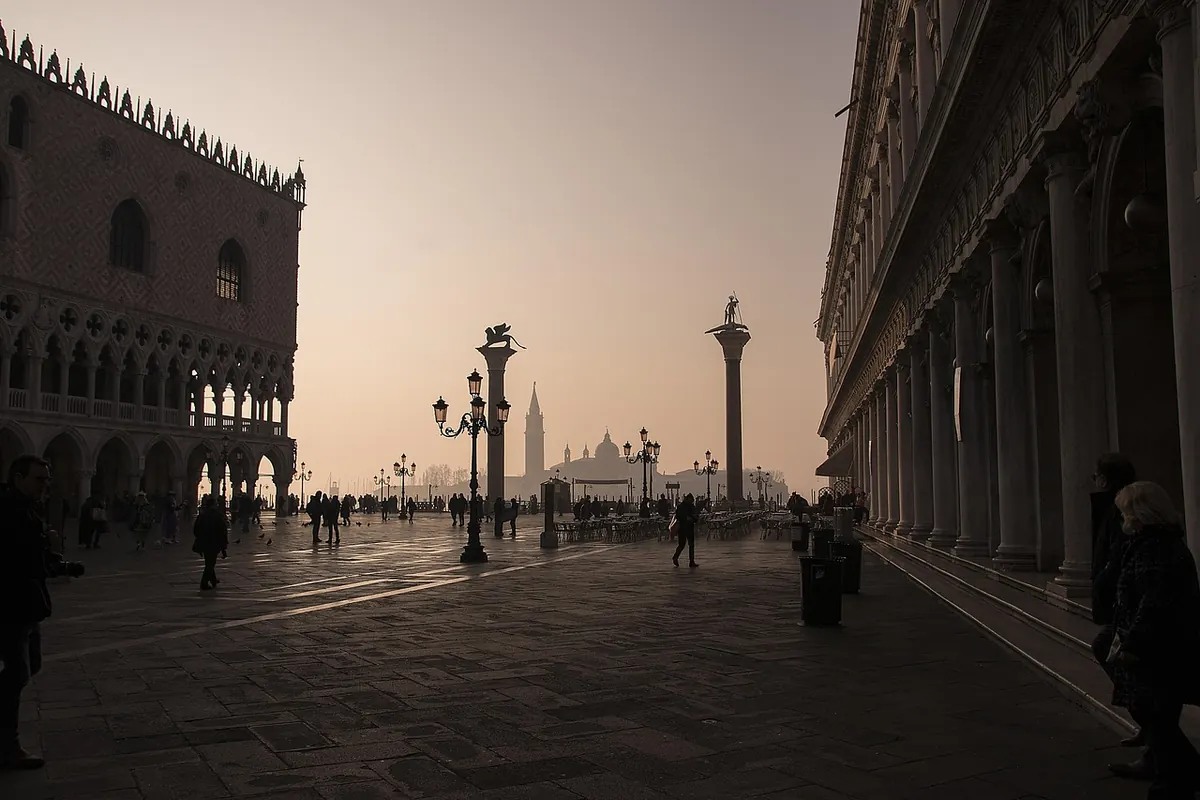
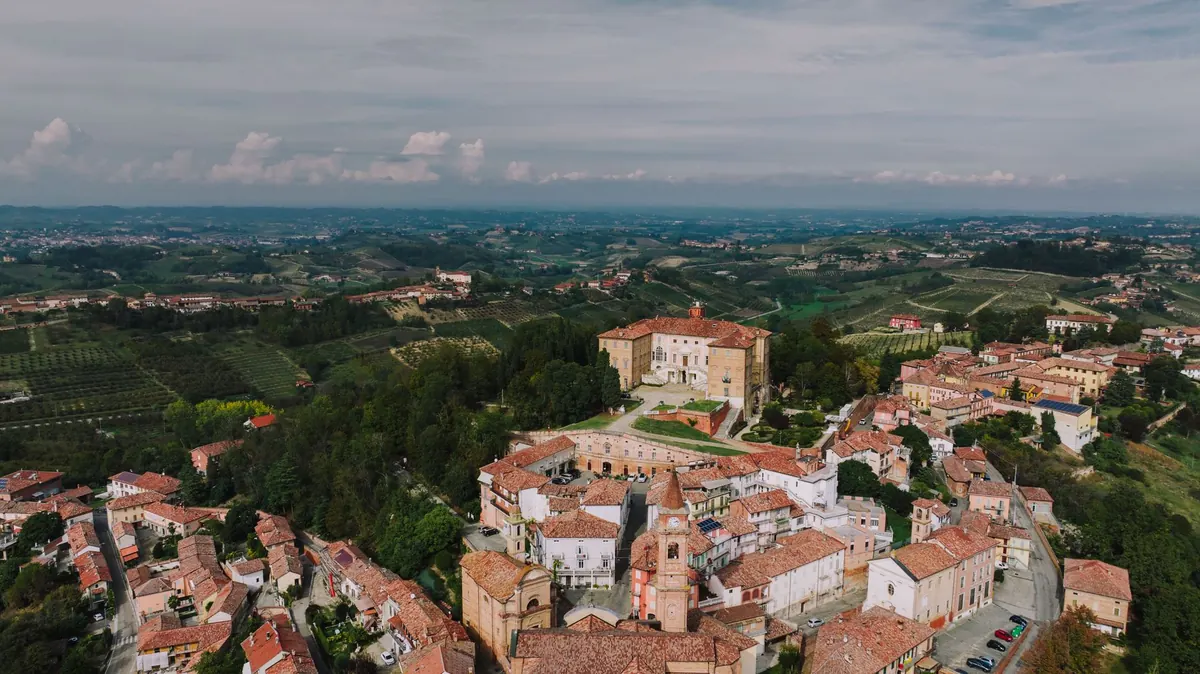
A long, narrow rectangle often served as a processional route or a market corridor; your eye is pulled to the far end, and something important usually sits there. A close, roughly rectangular square enclosed on four sides is a political room — the classic stage for civic ceremony and, in harder centuries, for public punishment. Irregular shapes with odd corners and a street slipping through the middle were rarely designed at once. They accumulated, which usually means the square grew around a church, a well or a road junction.
Then look at the level. Italian squares tilt more often than you expect, and the slope is information. A paved incline running to one corner carries rainwater away, and the higher end is usually the ceremonial one: the church door, the town hall steps, the place where the seats face. Where the paving changes — smooth slabs in the centre, smaller cobbles or sanpietrini at the edges — you are looking at a hierarchy of importance laid underfoot.
Finally, count the exits. A square fed by six narrow streets is a junction, and people pass through fast. A square with one grand entrance and one quiet back lane is a stage; people linger, because there is nowhere urgent to go.
Who Owns the Square: Reading the Buildings
Now look up and ask a single question: which building got the best position? On a typical Italian piazza you'll find some combination of a church façade, a palazzo comunale, a tower or campanile, a loggia, a fountain and a market hall. The one on the main axis — straight ahead as you enter, or centred on the finest facade — is the one that mattered most when the square was laid out.
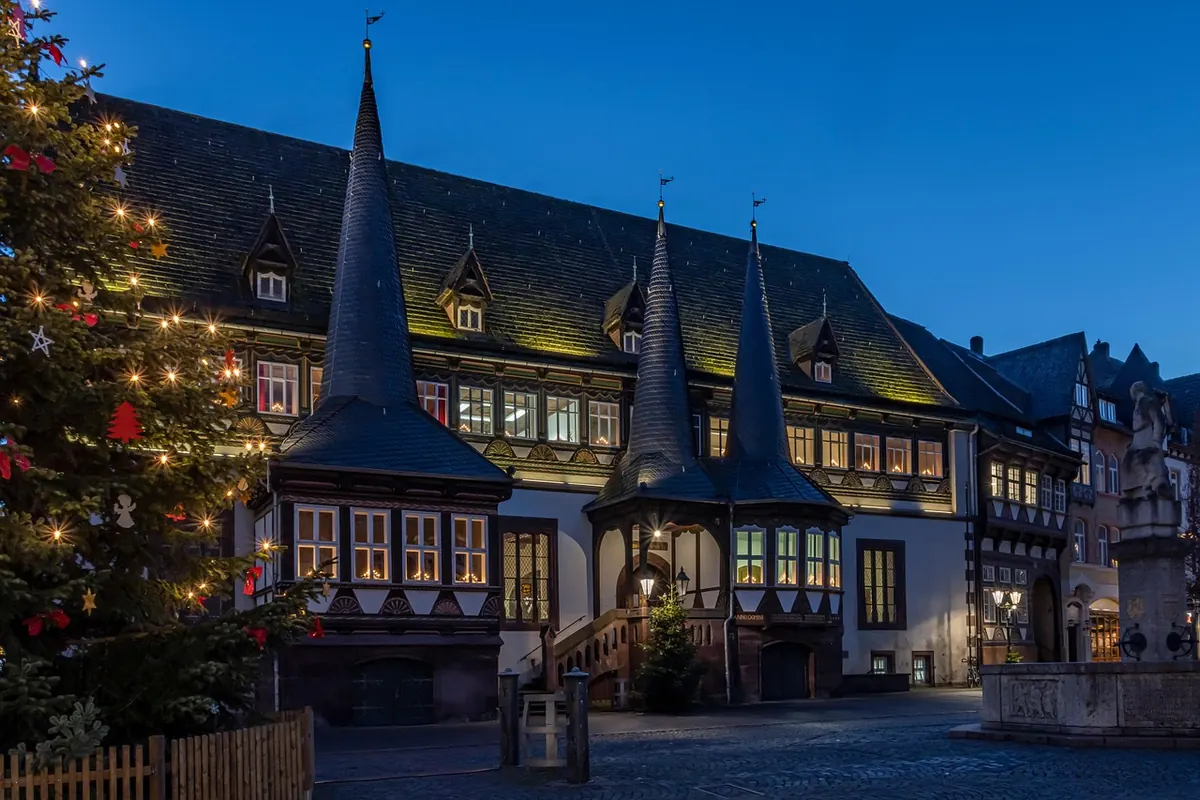
Where church and town hall face each other, you are looking at centuries of negotiation in stone. Note the tower. It was rarely decorative: clock, alarm, belfry and civic symbol at once, and its position tells you whose time the town kept.
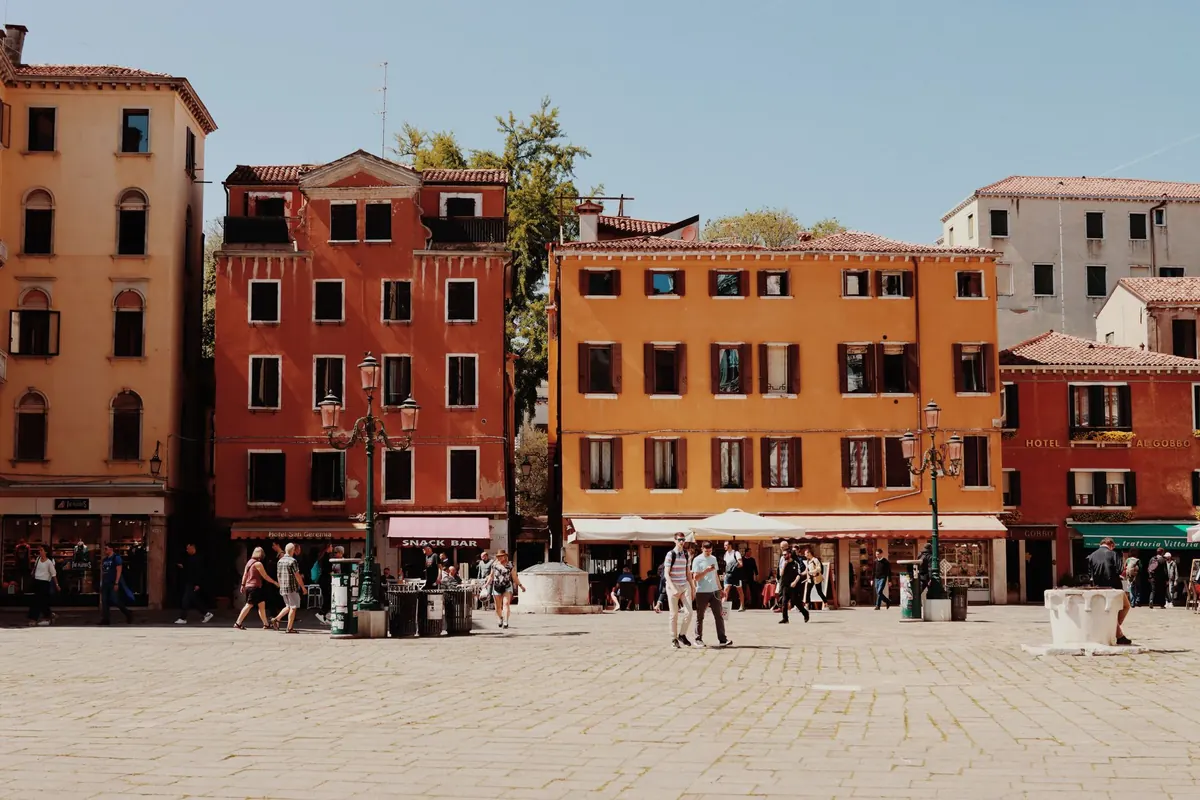
Look also at the ground floor of every building, because that is where the square becomes useful. A run of arches sheltering shops, a covered walkway (portici), a row of stone benches built into the wall: these are the working parts of the piazza, where business was done and where people still sit out of the sun and the rain.
The Ground Floor Is the Honest Part
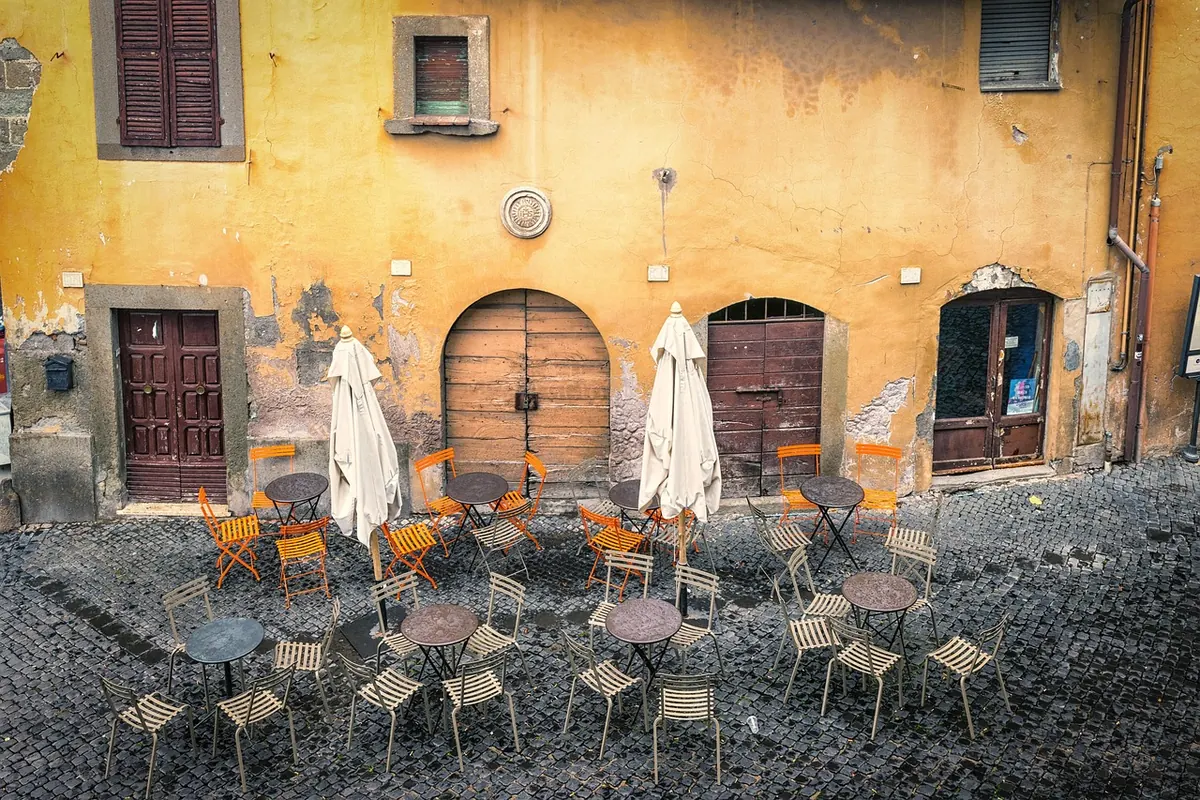
Facades can be restored for visitors; ground floors can't lie for long. Count the open shutters, the doorbells, the washing hung above the bank, the tobacconist with its blue sign, the pharmacy with its green cross. A square lined with estate agents and ice-cream shops has been handed over to tourism. A square with a hardware store, a butcher and a newsagent still belongs to the neighbourhood, and the café on the corner will be cheaper and better.
Walk the perimeter once, close to the walls. You'll learn more in four minutes than from an hour in the middle, because the edge is where the square's real life is stored: the notice board, the parish poster, the bus stop, the bench with a view of everything.
Cafés: Where to Sit, and What the View Costs
Italian café culture runs on a simple rule of thumb: the closer you sit to the view, the more you pay for it. Standing at the counter is the cheapest way to drink your coffee and the quickest way to feel like a local. Sitting at a table on the square brings table service and a supplement, often itemised as servizio, alongside the coperto, the small per-person cover charge normal in sit-down restaurants. The price list is posted, and nobody minds you reading it before you order.
Use seats as a diagnostic. At eight in the morning, the busy bar is the one full of people standing, coats still on, coffee drunk in two sips. That is the working bar, and it usually serves the best coffee on the square. The terrace with the beautiful chairs and nobody in them is telling you something too.
The Day Has Three Speeds
Morning: deliveries, coffee, business
Early hours belong to vans, crates, sweeping and conversation between people who see each other every day. A square that looks romantic at dusk looks entirely practical at seven.
Midday: retreat
Between roughly one and half past three the square empties and the light gets hard. This is not the moment to judge a place. Sit in the shade, order something cold, and let the piazza refill on its own schedule.
Evening: the square as a living room
From late afternoon the piazza changes function. Chairs come out, children are let loose, and the passeggiata begins — the unhurried evening walk, best clothes, no destination. In many towns, especially in the south and in summer, this is the hour when the square is genuinely full. Take a seat, order an aperitivo, and watch the traffic of greetings: who stops for whom, who nods, who crosses the square to avoid a conversation. It is the best free entertainment in Italy.
Small Manners That Make You Welcome
- If you use a café table, order something. Occupying a chair with your own water bottle is noticed.
- Don't picnic on church steps. Use the benches, or find a low wall away from the doors.
- Keep your voice down at midday and near open windows; sound carries brutally across stone.
- Walk around, not through, groups of people standing and talking. They were there first.
- Photograph people from a respectful distance, and ask before a portrait. In small squares, you will be remembered.
Your First Fifteen Minutes
A simple routine that works in a village piazzetta and a city square alike:
- Stand at the edge where you entered and study the floor for two minutes: shape, slope, paving, drains.
- Count the streets in and out, and notice which carries the most people.
- Identify the church, the town hall, the tower and the fountain, then work out which has the best position.
- Walk the perimeter once, close to the buildings, reading shop signs and the notice board.
- Choose the bar with people standing at the counter, and drink your coffee standing with them.
- Then take a seat with a view and do nothing for ten minutes. The square will start performing for you.
Do this in three squares and you'll have a working vocabulary for the rest of the trip. You'll also notice what no guidebook quite conveys: an Italian piazza is not an ornament left over from the past. It is the most-used room in town, and you have been handed a seat in it.
Photo: Efrem Efre / Pexels
You Might Also Like
A hour-by-hour guide to the Italian piazza, from the sweepers at dawn and the commuter crush to the gelato queue, the dinner tables and the last lingering customers.
A practical guide to opening conversations in an Italian piazza — the timing, the first sentence, the listening habits, and the graceful exit that turn a passer-by into a welcome presence.