Market Morning vs. Evening Passeggiata: Comparing Two Piazza Rhythms
At half past seven the square smells of cardboard, wet parsley and diesel. By half past six in the evening the same stones smell of perfume and warm pastry, and the loudest sound is the click of a heel on basalt. Nothing has been rebuilt. No new sign has gone up. The piazza has simply changed shift.
Spend a full day in one square and you stop thinking of it as a place. It becomes a schedule.
Two Clocks in One Square
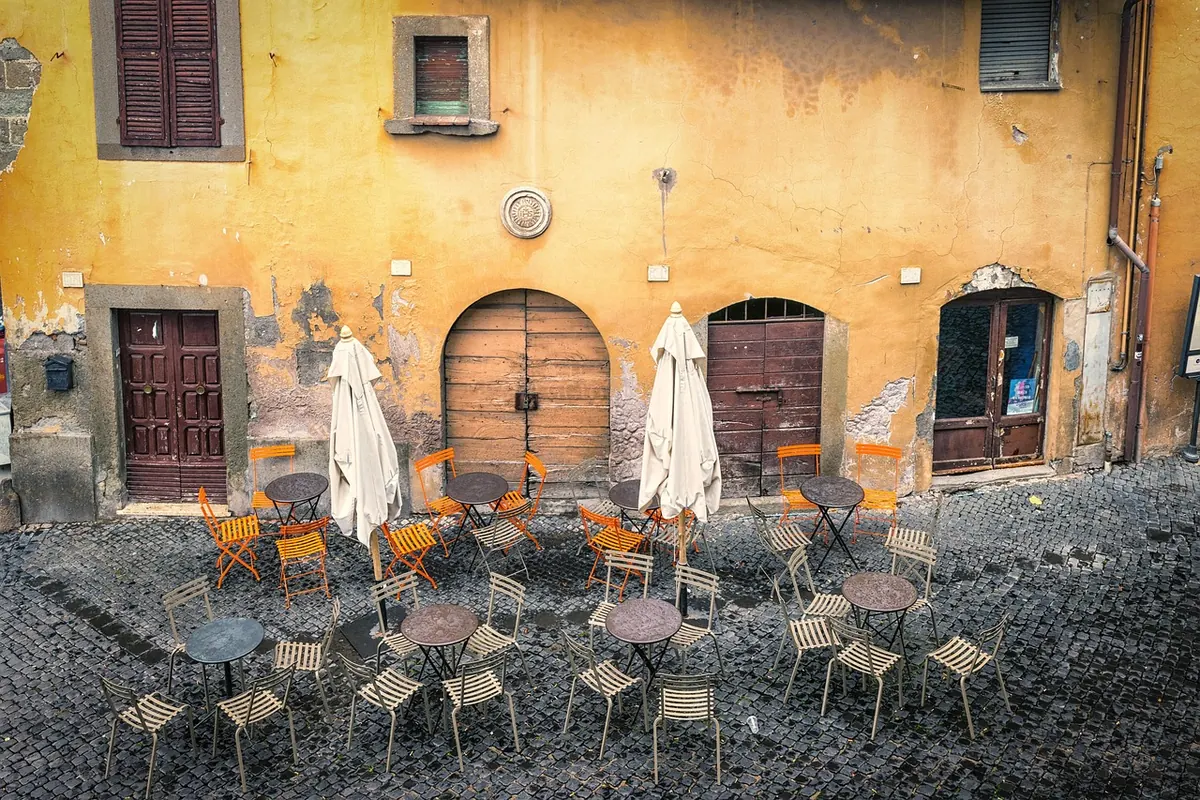
Every Italian piazza keeps at least two clocks running at once. One is set by the market: early, practical, slightly rough at the edges. The other is set by the passeggiata: late, social, carefully dressed. Between them sits the long afternoon silence, when the shutters come down and the square belongs to pigeons and a waiter stacking chairs.
Visitors often catch only one of the two and come away with half a picture. The morning crowd and the evening crowd are frequently the same people, in different clothes, doing different things with their hands. A woman who elbows her way to the best artichokes at eight in the morning will walk the same circuit at seven in the evening with her hair done, greeting the fishmonger as though they had never discussed the price of sea bream.
Understanding the turn between those two hours is the difference between seeing a square and reading one.
The Market Morning Begins Before It Looks Like a Morning
By five, vans are reversing into the side streets and tailgates are banging. By six, the bar on the corner has raised its shutter and is serving coffee to men who will be on their feet for the next eight hours. The awnings go up last, canvas by canvas, and only then does the piazza start to resemble the postcard.
Market mornings are not decorative. Crates become counters. A sheet of plywood over two trestles becomes a stall. The fish is laid out on crushed ice in an order that is not random, and the vegetable seller builds a stepped display with the cheap greens at the front and the good peaches where you have to reach for them.
Then there is the noise, which is the real signature of the hour. The scrape of a wooden crate on stone. The three-wheeled van that reverses with a beep no one pays attention to. A vendor announcing the price of watermelon to nobody in particular, twice, then a third time with feeling. Someone's grandmother pressing a peach with her thumb and putting it back.
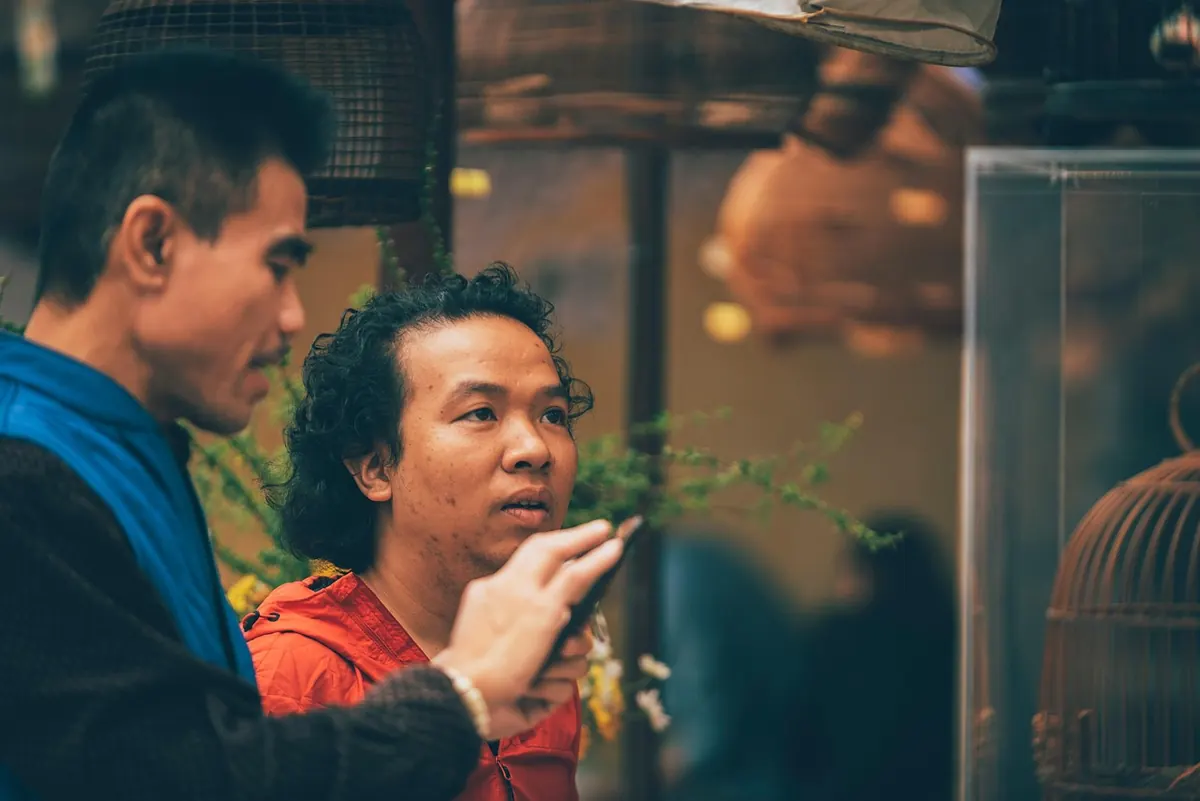
Watch the hands, not the faces. In the morning, hands are busy: weighing, wrapping, counting coins, wiping. In the evening, hands will hold cones, glasses and each other.
How to Shop a Market Morning Well
The market rewards a little method. None of it is complicated, and most of it you will learn by standing still for ten minutes and watching what the locals do.
- Arrive early for quality, late for price. The best produce goes before nine. The bargains appear in the last half hour, when vendors would rather sell than pack.
- Bring cash and small notes. Many stalls take cards now, but a two-euro coin moves a queue faster than a terminal.
- Carry your own bag. A folded cloth bag in a pocket is the quiet local habit.
- Ask before touching. Point and say "posso?" and you will usually get a nod and a better peach than the one you were reaching for.
- Queue where the Italians queue. A short line at one stall and an empty one next door is information, not an accident.
- Learn four phrases. "Quanto costa?", "Un etto" (a hundred grams), "È buono?" and "Grazie" will carry you a long way.
One practical note: market days are not always daily, and the good ones often rotate. Ask at your hotel or at the bar, or read the small sign usually bolted near the market entrance.
The Dead Hour and the Change of Light
By one, the square is being folded away. Crates stack, ice melts into the gutter, the awnings come down in reverse order. Shutters close across the shopfronts and the piazza goes quiet in a way that can feel almost offensive to a visitor who has paid for a day of sightseeing.
Stay. This hour has its own small theatre. A man sweeps the same twenty metres for forty minutes. Two pigeons fight over a crust with real commitment. The fountain becomes the loudest thing in the city. Sit in the shade with a book and you will hear the square resonating, because an empty piazza is an acoustic instrument.
Then, around four, the bar raises its shutter and the chairs come out. The light drops low and turns gold on the upper floors. The first people back are usually the ones with dogs, then the ones with children, then everyone else.
The Evening Passeggiata: The Square as a Drawing Room
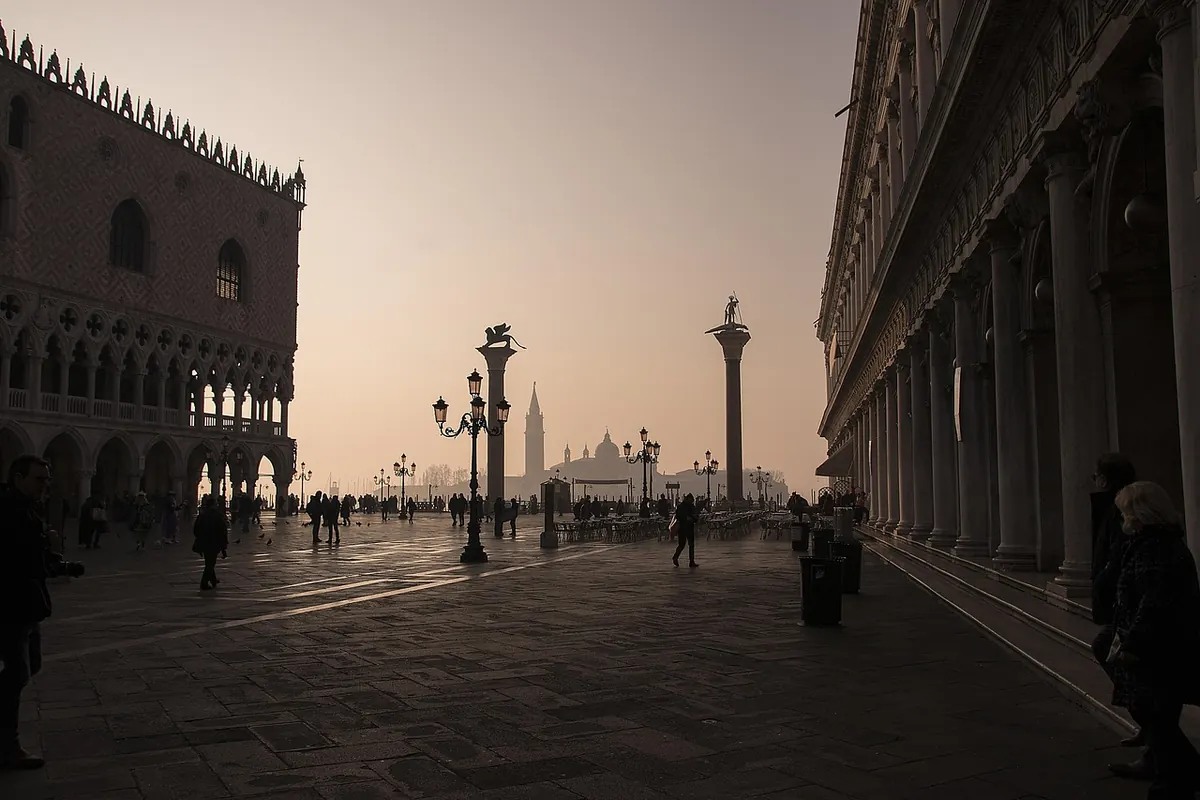
By seven, the piazza has been swept and dressed. People have changed out of work clothes. The circuit begins, and it is a circuit, not a wander: most squares have a customary direction, and regulars take it without thinking, greeting the same faces at the same corners every evening. In some towns this walk is called the struscio, from the sound of shoes on stone.
The passeggiata is not about getting anywhere. It is a slow, sociable inspection of the neighbourhood, conducted on foot and in public. Teenagers occupy the fountain steps in loose groups. Grandparents take the benches and comment on everyone. Families stop for a gelato and then walk it off in a slow loop. Tables from the bar spill out under the arcade and every chair faces the square, because the square is what is on.
Commerce changes too. Nobody is weighing anything. The shop windows are lit but the shopkeepers are out in front of them, chatting. The transactions are small and social: a coffee, a glass, a cone.
What Actually Changes Between the Two
- Sound: crates, calls and engines give way to footfalls, laughter and the low murmur of people who are not in a hurry.
- Dress: work clothes and flat shoes in the morning; pressed shirts, good jackets and shoes that are meant to be seen in the evening.
- Speed: the morning is a series of tasks with a route. The evening is a loop with no destination.
- Purpose: buying and selling in the morning; being seen, and seeing, in the evening.
- Territory: stalls own the centre by day. After the sweep, the centre belongs to whoever is walking through it.
A Short Guide to Catching Both
If you want to see a single square in two moods, plan the day around the turn rather than around the monuments.
- Have breakfast standing at the bar at seven. Order a coffee and a pastry and watch the market assemble around you.
- Walk the stalls between eight and nine, when the display is at its best and the crowd is at its most purposeful.
- Eat lunch, then deliberately do nothing in the square between one and four. This is the part most visitors skip, and it explains everything that follows.
- Come back around half past six, when the chairs are out and the light is starting to go.
- Join the stroll for at least two full circuits. Walk slowly. Greet no one, but nod where a nod is returned.
Two adjustments worth knowing. Seasons move everything: in summer the market starts earlier and the passeggiata can begin as late as eight or nine, while in winter the evening walk may be over by half past six. And rain cancels the ritual entirely; the square empties, the arcades fill, and the whole performance moves indoors.
Go once in the morning and once in the evening, and you will notice that you are standing on the same stones among almost the same people. They simply have different things in their hands.
Photo: chriswanders / Pixabay
You Might Also Like
A hour-by-hour guide to the Italian piazza, from the sweepers at dawn and the commuter crush to the gelato queue, the dinner tables and the last lingering customers.
A practical guide to opening conversations in an Italian piazza — the timing, the first sentence, the listening habits, and the graceful exit that turn a passer-by into a welcome presence.